
Utilizing HR Metrics to Illustrate & Improve Human Resource's Contribution
Learn to choose, calculate and report HR metrics for recruiting, compensation, training and retention, and build an HR scorecard and dashboard that shows HR's contribution.
 Speaker
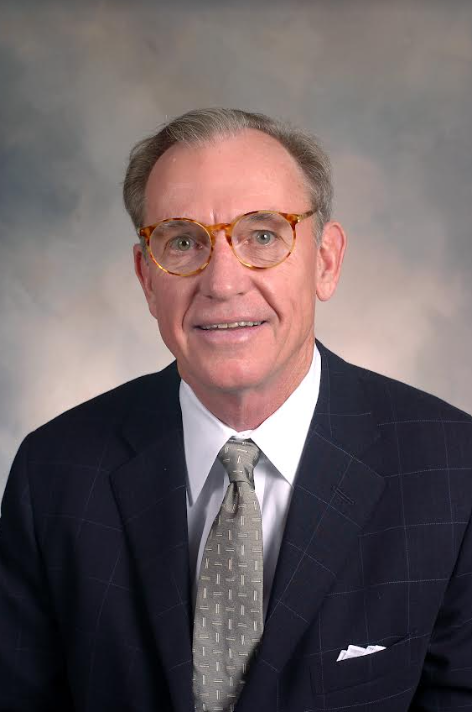
Pete Tosh
Management consultant and trainer · The Focus Group · MBA and MS, Virginia Commonwealth
Overview
Many HR departments spend their time on transactions and administration with little objective data on how well their processes work or how they support business strategy. Senior executives increasingly expect HR to prove its value with numbers, and HR metrics are how you do it.
This interactive 60-minute HR metrics training gives an overview of the measures HR teams use most often and a method for putting them in place in your own function. You'll work through formulas for recruiting and selection, compensation and benefits, training and development, and retention.
With the right metrics, HR can act as a strategic business partner, speak the language of business, check whether internal customers' needs are being met, improve its processes continuously and reduce the risk of being outsourced.
Why attend: Leaders of many of the best-run HR departments in the U.S. rely on metrics to guide performance. Senior leaders want objective data, not opinions, and results HR doesn't report often don't count. Metrics let you compare against other organizations' best practices, spot early warning signs and performance gaps, and set clear goals, just as manufacturing, sales and accounting already do. The session suits HR professionals new to the field, experienced practitioners looking for fresh ideas, and anyone who wants a refresher.
What’s covered
- Why HR departments and organizations use HR metrics
- What HR metrics produce
- Why use HR metrics
- The benefits and limits of measurement
- How best to measure an HR process and whether the result is worth the cost
- Your customers' most important expectations
- Which HR processes affect those expectations
- How the performance or results of those processes can be measured
- Five categories of HR metrics
- A four-step process for implementing HR metrics
- Cost per hire and cost per interview formulas
- Time to fill formula
- Offers resulting in a hire formula
- Quality of hire formula
- Other common recruiting measures
- How people react to the recruiting process
- Four key objectives of a compensation system
- Employee compensation cost formula
- Compensation and benefits costs as a percentage of operating costs
- Profit factor and revenue factor per employee formulas
- Other common compensation and benefit metrics
- How people react to compensation
- The biggest challenges in training and development
- Writing a training objective for your organization
- The four levels of training evaluation
- Training cost and training cost per hour formulas
- Knowledge change, skill change and performance change formulas
- Other common training and development metrics
- How people react to training and development
- Average length of service formula
- Cost of turnover formula
- Quantity of turnover and quantity of voluntary turnover formulas
- Voluntary separation rate by tenure formula
- Replacement factor formula
- Quality of performer retention formula
- Other common retention metrics
- How people react to retention and turnover
- Other HR processes you may want metrics for
- Creating your HR dashboard
- Four key summary questions
- Questions for taking the next steps
Who should attend
What you get
About the speaker
Pete Tosh is the Founder of The Focus Group, a management consulting and training firm that assists organizations in sustaining profitable growth through four core disciplines:
- Implementing Strategic HR Initiatives
- Maximizing Leadership Effectiveness
- Strategic Planning
- Enhancing Customer Loyalty
The Focus Group has provided these consulting and training services to manufacturing and service organizations across the U.S., Canada, Europe, and the Middle East. Pete has worked closely with the leadership teams of organizations such as Exxon, Brinks, EMC, State Farm, Marriott, N.C.I. YKK and Freddie Mac
Pete holds a B.A. degree in Psychology from Emory and Henry University and Masters degrees in both Business Administration and Industrial Psychology from Virginia Commonwealth University. Pete also co-authors Leading Your Organization to the Next Level: the Core Disciplines of Sustained Profitable Growth.
More in HR Compliance
See all 352 HR webinars → Margie Faulk · 90 min
Secrets Of Psychology - Why People Do The Things They Do
 Paul J. Cline · 90 min
Project Management For Administrative Professionals
 Chris DeVany · 90 min
Elevate Your Workplace Wellness: 10 Critical Wellness Factors